

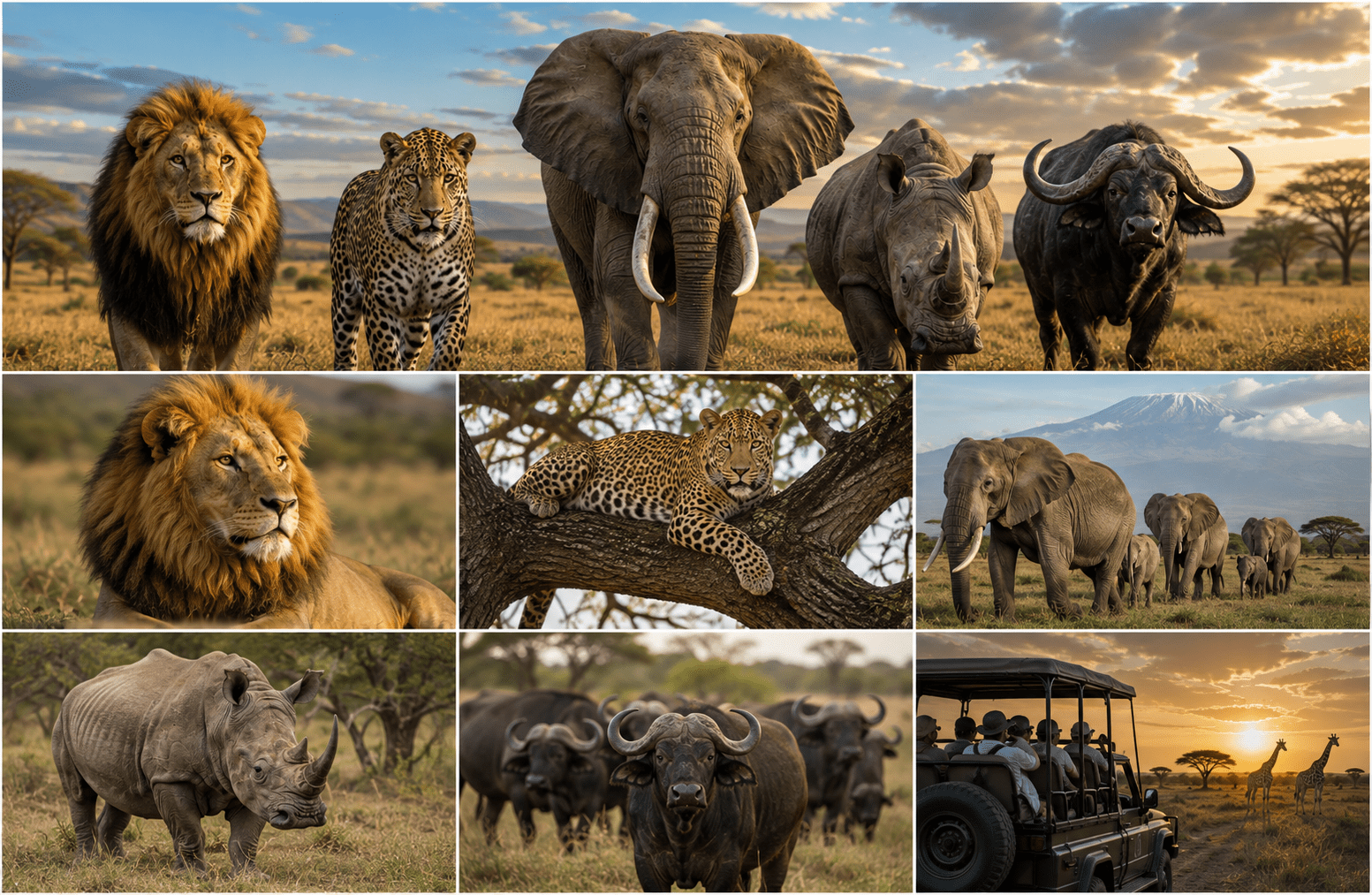
A Big Five Safari often begins with a simple dream: seeing a lion, leopard, elephant, rhino and buffalo roaming freely in the African wilderness. But the moment you actually arrive on the savannah, something changes the checklist suddenly feels far less important than the experience unfolding around you.
Imagine leaving camp before sunrise while the grass is still wet with dew. Your guide stops the vehicle beside a dusty track.
There is nothing obvious ahead.
Then they point toward a tree you have already looked at three times.
A leopard’s tail hangs almost invisibly from a branch.
That moment explains what makes safari different from visiting a wildlife park or watching a documentary. Animals are not waiting for you. You enter their world and learn how to find them.
For first-time visitors planning Africa in 2026, Kenya and Tanzania remain exceptional places to begin. Kenya’s safari circuits combine destinations such as the Maasai Mara, Amboseli and Tsavo, while Tanzania’s Serengeti delivers vast landscapes, major predator populations and the Great Migration.
Travellers considering both countries can also explore Travora Safaris’ Kenya and Tanzania Safari 2026 guide before deciding how to build their itinerary.
The Big Five are:
Interestingly, they are not called the Big Five because they are Africa’s five largest animals.
The phrase originated during the hunting era and referred to animals considered particularly difficult and dangerous to hunt on foot. Modern safari tourism has largely transformed the term into something very different: seeing and photographing these iconic animals alive in protected wilderness.
Today, a Big Five safari is usually built around parks or conservancies where travellers have realistic opportunities to encounter all five species during the same trip.
But that does not mean seeing all five should become an obsession.
The best first safari is one where the Big Five introduce you to an entire ecosystem rather than becoming the only animals worth noticing.
| Animal | What Makes the Sighting Special | Relative Difficulty |
|---|---|---|
| Lion | Pride behaviour, hunting and interactions | Usually easier |
| Elephant | Family relationships and close encounters | Usually easier |
| Buffalo | Large herds and predator interactions | Moderate |
| Leopard | Secretive behaviour and spectacular camouflage | Difficult |
| Rhino | Rarity and conservation importance | Often difficult |
This is also why seeing three animals on your first morning does not mean the remaining two will quickly follow.
A leopard may spend the day hidden in dense vegetation.
A rhino may simply be in another part of the ecosystem.
Safari rewards patience.
For many travellers, seeing a wild lion for the first time is the moment the safari truly feels real.
The Maasai Mara and Serengeti are especially famous for predator encounters. Tanzania National Parks identifies Serengeti as habitat for the complete Big Five and highlights its exceptional predator populations and diverse savannah ecosystems.
But lions can surprise first-time visitors.
They sleep a lot.
You may encounter a pride lying under an acacia tree in the middle of the afternoon looking considerably less dramatic than a wildlife documentary suggested.
Give them time.
Watch how females position themselves around cubs, how younger animals play, how adults respond to approaching buffalo or zebra, and how the pride becomes noticeably more alert as temperatures fall.
Don’t judge a sighting by how close the animal is.
Watching a pride interact naturally from a respectful distance can be far more memorable than a vehicle pushing too close simply for a photograph.
Leopards may be the animal that teaches first-time safari travellers the most important lesson:
Looking is different from seeing.
Their spotted coats break up perfectly against branches, shadows and vegetation.
You can stare directly toward a leopard and fail to notice it.
Experienced guides look for clues instead.
An impala repeatedly giving alarm calls may indicate a predator nearby. Baboons staring toward one particular tree can be another clue. A fresh track on the road may tell your guide that a leopard passed minutes earlier.
When you eventually locate one, the effort makes the sighting more rewarding.
If leopard is high on your wish list, spend several nights in a predator-rich ecosystem instead of rushing through multiple parks.
More game drives create more opportunities.
An elephant’s size is impressive.
Its behaviour is even more fascinating.
A Big Five Safari becomes significantly richer when you stop treating elephants as individual photographs and start watching the entire family.
Notice calves walking between adults.
Watch how older females lead.
Listen when the herd becomes quiet.
Observe how several elephants respond simultaneously when another animal becomes uncomfortable.
For travellers particularly interested in elephants, Kenya’s Amboseli ecosystem deserves serious consideration. Kenya Wildlife Service documentation notes that Amboseli’s elephants have been studied for decades and offer exceptional opportunities for close observation.
This makes combining the Maasai Mara with Amboseli especially attractive for a first Kenya safari.
Rhino encounters feel different.
Part of that comes from knowing how vulnerable these animals have been to poaching and habitat pressure.
Kenya continues to play a major role in rhino conservation. In December 2025, the Kenya Wildlife Service announced the expansion of the Tsavo West Rhino Sanctuary to approximately 3,200 square kilometres, creating what KWS described as the world’s largest rhino sanctuary.
Ol Pejeta Conservancy in Laikipia is another major conservation landscape. Its long-term strategy focuses heavily on black rhino conservation while also protecting other threatened wildlife.
If seeing all five species is very important to you, include a destination with a strong rhino population rather than relying entirely on chance.
This is one reason a combination such as Maasai Mara + Ol Pejeta can work extremely well for first-time Kenya visitors.
Buffalo rarely receives the same attention as lion, elephant or leopard before someone’s first safari.
Then you meet a herd.
Dozens or sometimes hundreds of powerful animals moving together across grassland can be remarkably impressive.
Buffalo are also closely connected to predator behaviour.
A pride of lions may trail a herd looking for weaker individuals. Adult buffalo, however, are powerful enough to defend themselves and sometimes each other.
Instead of photographing one buffalo and moving on, watch the relationships within the herd.
The animals that initially look similar soon become individuals.
For Travora Safaris’ audience, I would focus primarily on Kenya and Tanzania because they allow travellers to combine classic Big Five viewing with some of Africa’s most famous landscapes.
| Destination | Country | Best Known For | Big Five Potential |
| Maasai Mara | Kenya | Predators, savannah, migration | Excellent |
| Ol Pejeta | Kenya | Rhino conservation | Excellent |
| Tsavo West | Kenya | Rhino, elephants, wilderness | Excellent |
| Serengeti | Tanzania | Predators, migration, vast plains | Excellent |
| Ngorongoro | Tanzania | Concentrated wildlife viewing | Excellent |
| Amboseli | Kenya | Elephants and Kilimanjaro views | Excellent wildlife, but not the best choice alone for completing all five |
Kenya’s official tourism safari calendar identifies the country’s southern safari circuit including the Maasai Mara and Tsavo as a year-round Big Five wildlife region.
Meanwhile, Tanzania National Parks specifically lists the Big Five among Serengeti’s major attractions.
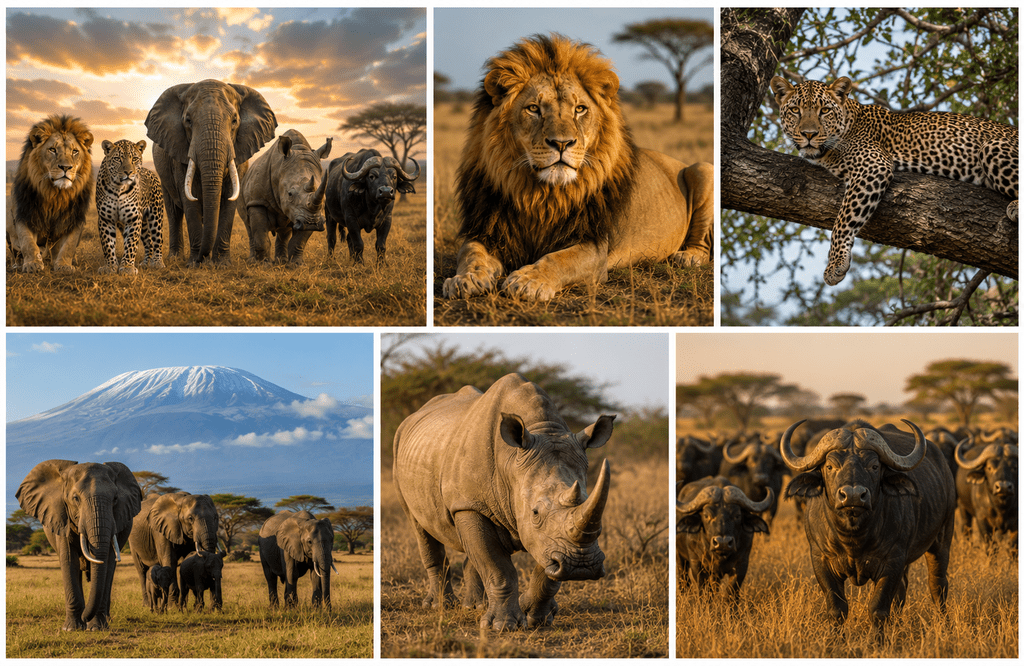
There is no universal winner.
For travellers with sufficient time, combining the Maasai Mara and Serengeti can be outstanding.
Rather than treating Kenya and Tanzania as competitors, think of them as different chapters of the same East African wildlife journey.
Travellers interested in this approach can read Travora’s Kenya and Tanzania Safari 2026 guide.
The answer depends on the destination.
For much of Kenya and northern Tanzania, the drier periods are popular because vegetation can become thinner and wildlife may congregate around reliable water sources.
But green-season travel should not automatically be dismissed.
Rain can produce:
If your safari also includes the Great Migration, timing becomes particularly important.
Travora’s Great Migration 2026 guide explains how the herds move through the Serengeti-Mara ecosystem during different parts of the year.
Travellers focusing primarily on Kenya can also use the site’s Best Time to Visit Kenya for a Safari guide.
Trying to see the Big Five in two days is possible.
Building your whole holiday around doing so is not ideal.
For most first-time visitors, five to seven safari days creates a much better rhythm.
That gives you enough time to experience several game drives without feeling that every minute must produce another animal.
A useful itinerary might look like:
| Trip Length | Suggested Approach |
| 3–4 days | One major ecosystem such as Maasai Mara |
| 5–7 days | Combine two complementary destinations |
| 8–10 days | Kenya circuit or Tanzania northern circuit |
| 10–14 days | Kenya + Tanzania or safari + beach |
More time does not guarantee more animals.
It gives you something more important:
more opportunities for unexpected behaviour.
First-time visitors often spend enormous amounts of time comparing cameras, lodges and safari vehicles.
One element deserves even more attention:
A knowledgeable guide understands:
The difference between seeing “a lion” and understanding what that lion is doing is enormous.
At Travora Safaris, personalised safari planning is already part of the company’s broader travel offering, which includes customised packages, safari vehicles and handpicked experiences.
For a first safari, that personalisation can be especially valuable.
You don’t need to arrive dressed like an explorer from an old movie.
Comfort wins.
Pack:
Binoculars deserve emphasis.
A leopard does not need to sit beside your vehicle for the sighting to be incredible.
Good binoculars transform distant wildlife encounters.
Seeing all five is exciting.
Missing one does not mean your safari failed.
A cheetah hunt, wild dog pack, giraffe birth or huge wildebeest herd may become the moment you remember most.
Changing lodge every night may look impressive on paper but can mean spending too much time transferring and too little time observing wildlife.
Wildlife documentaries condense weeks or months of filming into minutes.
Real safari has quieter periods.
Those quieter periods make dramatic moments more special.
Take your photograph.
Then put the device down.
Listen to the elephants.
Watch the lion breathe.
Notice the birds reacting around the leopard.
Responsible safari tourism must respect wildlife.
A photograph is never worth blocking an animal’s route, separating a mother from her young or surrounding a predator with vehicles.
The biggest surprise for many first-time travellers is that seeing all five animals often stops being the most important part of the trip.
At first you search for names:
Lion. Leopard. Rhino. Elephant. Buffalo.
After a few days, you start searching for stories.
Why are the zebras staring toward that bush?
Why did the elephants suddenly become silent?
Why is the lioness walking away from the pride?
Why are vultures circling?
That transition from identifying animals to understanding behaviour is when safari becomes truly compelling.
The Big Five Safari gets you interested in Africa’s most famous animals.
The ecosystem makes you fall in love with the wilderness.
Your first safari should not be designed around racing through five animals as quickly as possible.
It should give you enough time to watch, learn and experience Africa properly.
Travora Safaris can build personalised Kenya, Tanzania or combined East African itineraries based on your travel dates, budget, preferred accommodation and wildlife priorities. The company offers custom safari packages, accommodation, 4×4 transport and tailored travel planning.
Whether your dream is a lion pride in the Maasai Mara, elephants beneath Kilimanjaro, a leopard in the Serengeti or your first rhino encounter, the journey begins with choosing the right itinerary.
Ready to experience the Big Five for yourself? Explore Travora Safaris’ safari options or contact the team for a customised Big Five Safari designed around your first African adventure.
🦁 Which Big Five animal would you most like to see first lion, leopard, elephant, rhino or buffalo?
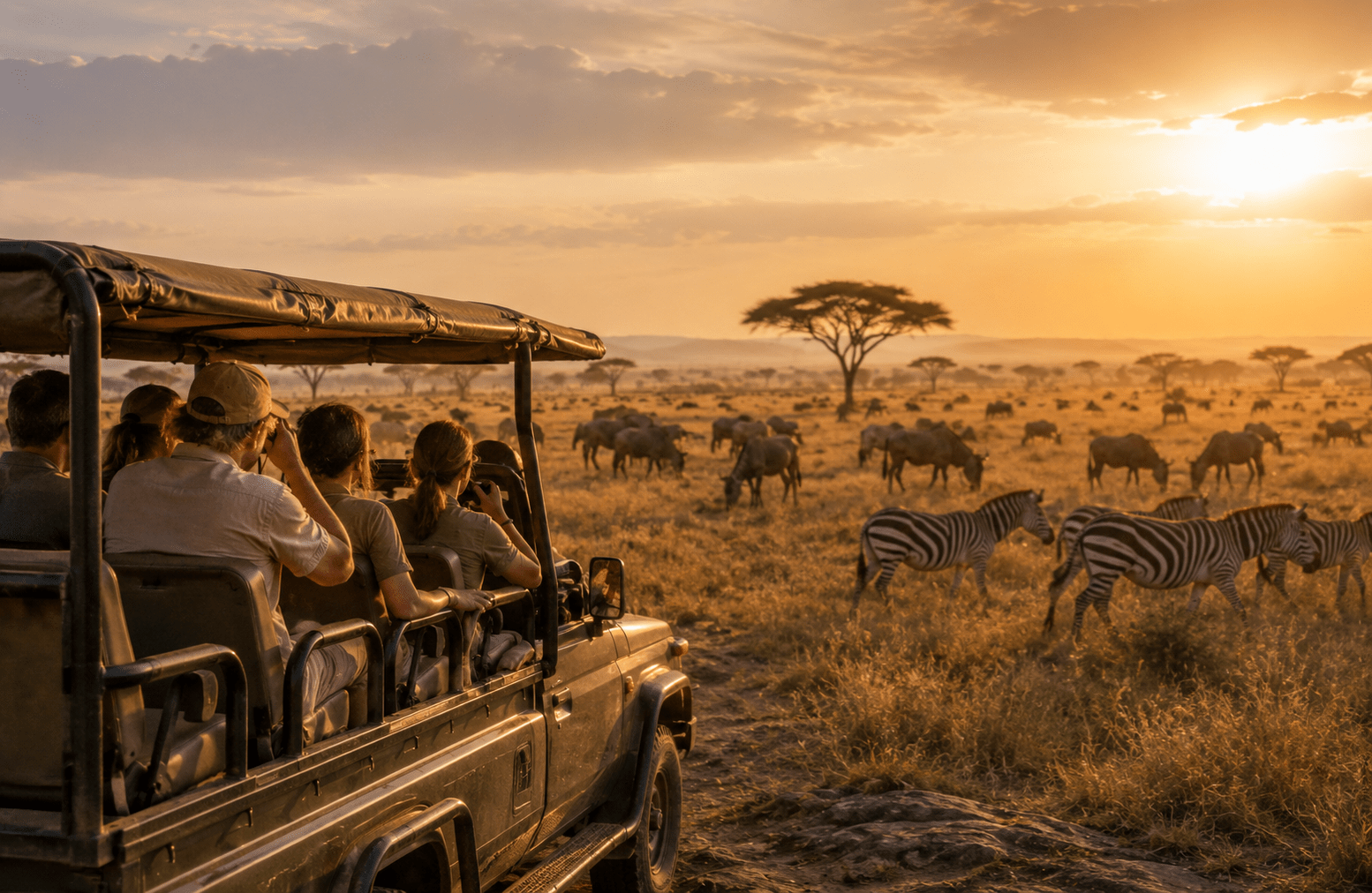
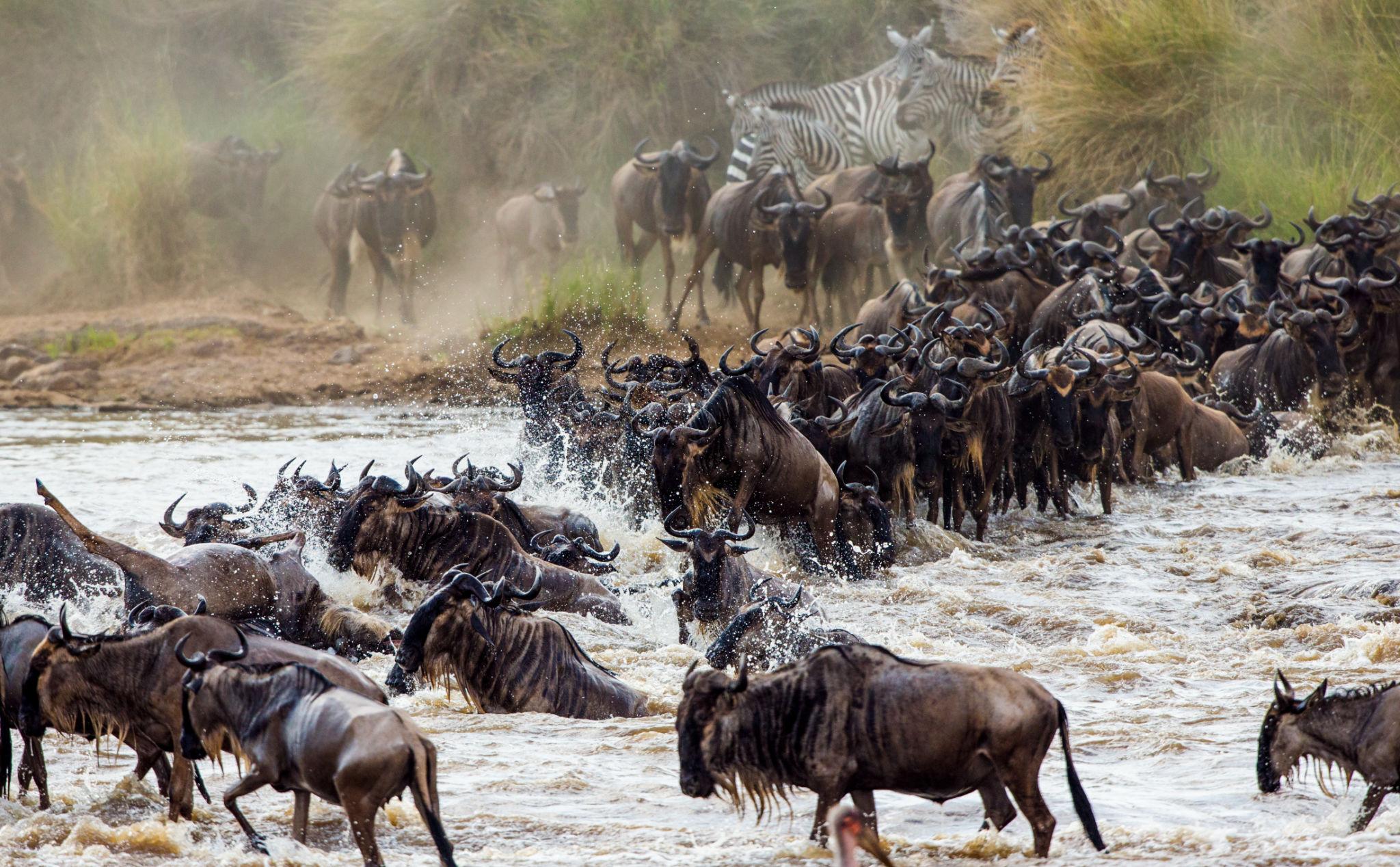
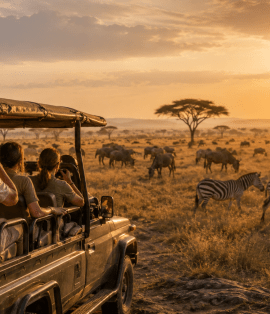
Choosing between a Luxury vs Budget Safari can feel like choosing between two completely different versions of Africa. One promises elegant tented suites, private guides, fine dining and flights between remote camps. The other may involve shared vehicles, simpler lodges, road transfers and nights beneath canvas.
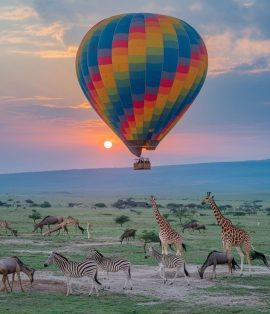
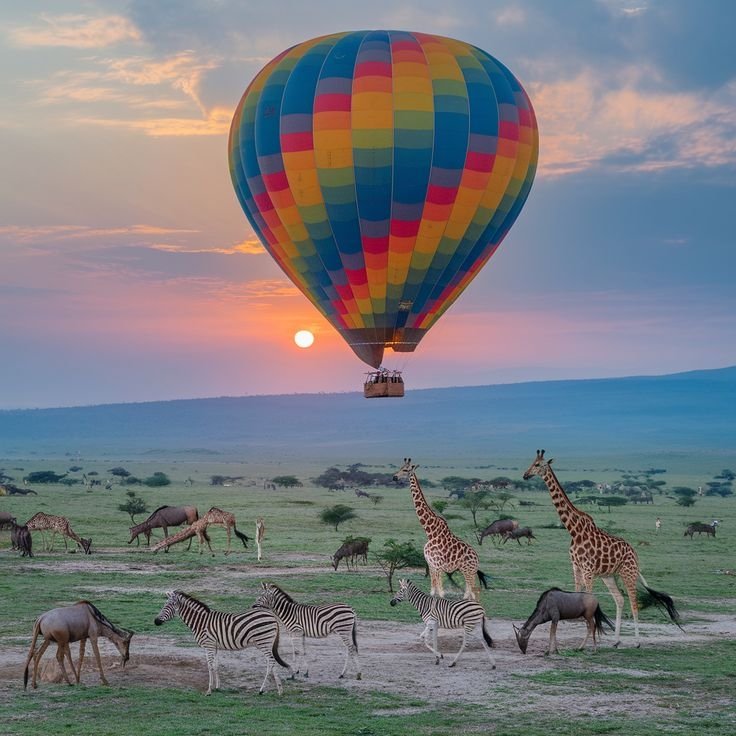
The best safari experiences in Africa are not simply about seeing as many animals as possible. A truly memorable safari changes the way you experience the wilderness—watching wildebeest cross a river, walking through the bush on foot, floating silently above the Maasai Mara or sitting metres
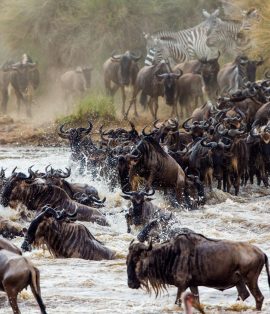
When Is the Best Time to Visit Maasai Mara and Serengeti? Picture thousands of wildebeest gathering at the edge of the Mara River. For several minutes, nothing happens. Dust hangs above the herd, zebras call from behind, crocodiles wait below, and then one wildebeest jumps. Within